Shop Mattress
 Shop Bases
 Shop Bedding

First Things First: Is There One Best Sleeping Position?
Short answer: not exactly.
Longer answer: there is a “best” depending on your body, your habits, and what you need from your sleep.
But if we had to pick favourites:
- Back sleeping = best for spinal alignment
- Side sleeping = best for most people overall
The real goal?
👉 Keeping your body aligned, supported, and comfortable all night long.
What Is the Best Sleeping Position for Your Overall Health?
If we’re talking general wellbeing, sleeping on your back often takes the crown.
Why? Because it keeps everything nicely aligned—from your head down to your hips.
Why back sleeping works:
- Keeps your spine in a neutral position
- Evenly distributes your body weight
- Reduces pressure points
- Can help with acid reflux (especially with a slightly elevated pillow)
The catch?
It’s not ideal if you snore or have sleep apnea.
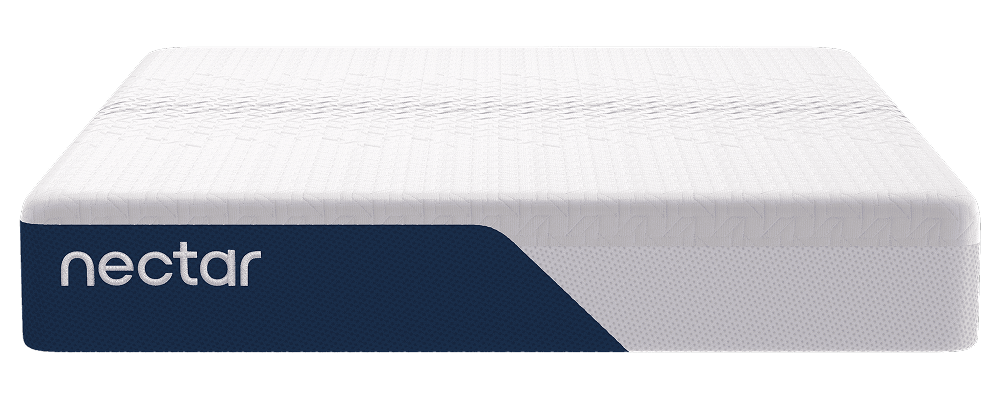
Nectar tip: A supportive memory foam mattress helps maintain that natural alignment—so your back actually gets the benefits.
What Is the Best Sleeping Position for Side Sleepers?
Good news: if you’re a side sleeper, you’re already in a great spot.
Side sleeping is the most popular—and one of the healthiest—positions.
Why people love it:
- Helps reduce snoring
- Supports healthy digestion
- Improves circulation
- Great for pregnancy
Pro tip:
Add a pillow between your knees to keep your hips aligned. Your lower back will thank you in the morning.
What Is the Best Sleeping Position for Back Pain?
If you wake up feeling like you’ve wrestled your mattress all night, your sleep position could be the culprit.
Best options:
- On your back with a pillow under your knees
- On your side with a pillow between your knees
Both help keep your spine aligned and reduce pressure on your lower back.
What to avoid:
Sleeping on your stomach—it puts strain on your spine and neck.
Nectar tip: Pressure-relieving memory foam can make a huge difference for back pain by cushioning key areas like your shoulders and hips.
What Is the Best Sleeping Position for Neck Pain?
Neck pain usually comes down to alignment (and your pillow setup).
Best positions:
- Back sleeping with a supportive pillow
- Side sleeping with a pillow that fills the space between your neck and mattress
Avoid:
Stomach sleeping—it forces your neck into an awkward twist all night.
What Is the Best Sleeping Position for Pregnancy?
When it comes to pregnancy, comfort and circulation are everything.
The winner: Left-side sleeping
Why it works:
- Improves blood flow to the baby
- Supports kidney function
- Helps reduce swelling
Make it even better:
- Use a pillow between your knees
- Add one under your bump for support
This setup creates a cosy, supported sleep position that’s much easier on your body.
What Is the Best Sleeping Position for Sciatica?
Sciatica pain can be sharp, stubborn, and very good at ruining sleep.
The key here is reducing pressure on your lower back and hips.
Best positions:
- Side sleeping with a pillow between your knees
- Back sleeping with a pillow under your knees
Both help keep your spine neutral and reduce nerve pressure.
What Is the Best Sleeping Position for Snoring?
If snoring is an issue (for you or your partner), your sleep position can make a big difference.
Best position: Side sleeping
It helps keep your airways open and reduces vibrations that cause snoring.
Worst position:
- Back sleeping (it can cause your tongue to fall back and block airflow)
What Is the Best Sleeping Position for Acid Reflux?
If heartburn tends to show up at bedtime, your position matters more than ever.
Best options:
- Back sleeping with your head elevated
- Left-side sleeping
Both help keep stomach acid where it belongs.
What About Sleeping on Your Stomach?
We get it—some people love it.
But if we’re being honest? It’s not doing your body many favours.
Why it’s not ideal:
- Twists your neck
- Strains your spine
- Can lead to aches and stiffness
If you can’t give it up, try using a very thin pillow (or none at all) to reduce strain.
Your Mattress Can Make or Break Your Sleeping Position
Here’s something people often overlook:
👉 Even the best sleeping position won’t help if your mattress isn’t supporting you properly.
A good mattress should:
- Keep your spine aligned
- Cushion pressure points
- Adapt to your body (not the other way around)
Memory foam mattresses are great for contouring and pressure relief—ideal if you love that “sink-in” feeling.
But if you prefer a bit more bounce and easier movement, a hybrid mattress could be your perfect match.
Hybrid mattresses combine:
- Supportive coils (for structure and airflow)
- Comfort layers (like memory foam) for cushioning
👉 They’re especially great for:
- Combination sleepers (who change positions during the night)
- People who want support and responsiveness
- Couples (less disturbance when one person moves)
How to Train Yourself Into a Better Sleeping Position
If your current position isn’t working for you, don’t worry—you can change it.
Try this:
- Use pillows to “guide” your body
- Start in your new position each night
- Be consistent (it takes a little time)
Small adjustments can lead to big improvements in how you feel each morning.
So, What Is the Best Sleeping Position?
If we had to sum it up:
- Back sleeping = best for alignment
- Side sleeping = best for most people
- Left side = best for pregnancy and digestion
But the real answer?
👉 The best sleeping position is the one that keeps you comfortable, supported, and waking up pain-free.
And when you pair the right position with the right mattress…
That’s when the magic happens.