Shop Mattress
 Shop Bases
 Shop Bedding

Why Sleep Should Be Your Top New Year Resolution
Sleep is the foundation that everything else rests on. When you’re well-rested, healthy choices feel easier, your patience improves, and your energy lasts longer throughout the day.
Poor sleep, on the other hand, often leads to:
-
Difficulty concentrating
-
Low mood and irritability
-
Increased cravings and reduced motivation
-
Weakened immunity
The good news? Even small changes can make a noticeable difference within weeks.
Resolution 1: Create a Consistent Sleep Schedule
Your body thrives on routine. Going to bed and waking up at different times every day — even on weekends — can confuse your internal clock.
Aim for:
-
A consistent bedtime and wake-up time, ideally within the same 30–60 minute window
-
A schedule you can realistically maintain, not an “ideal” one that only works for a week
Consistency matters more than hitting an exact hour. Regular sleep patterns help you fall asleep faster and wake feeling more refreshed.
Resolution 2: Build a Wind-Down Routine That Actually Works
If you expect your brain to switch off the moment your head hits the pillow, you’re setting yourself up for frustration.
A good wind-down routine signals to your body that sleep is coming.
Try incorporating:
-
Dimmed lighting in the evening
-
Reading, stretching, or gentle breathing exercises
-
A warm shower or bath
-
Calming scents such as lavender or chamomile
Aim to start winding down 30–60 minutes before bed, and keep it simple enough to repeat every night.
Resolution 3: Rethink Your Relationship with Screens
Phones, tablets, and TVs emit blue light, which can suppress melatonin — the hormone that helps you fall asleep.
You don’t need to ban screens completely, but setting boundaries can help.
Practical changes to try:
-
Stop scrolling at least 30 minutes before bed
-
Use night mode or blue-light filters in the evening
-
Keep phones off the bed and away from your pillow
Replacing late-night scrolling with a calming habit often improves sleep quality faster than expected.
Resolution 4: Optimise Your Sleep Environment
Your bedroom should support rest, not distract from it.
Take a fresh look at your sleep space and ask:
-
Is it dark enough?
-
Is it quiet or comfortably masked with white noise?
-
Is it cool, clean, and uncluttered?
Investing in the basics — such as comfortable bedding, supportive pillows, and a mattress that suits your sleeping position — can dramatically improve how you sleep and how you feel in the morning.
Resolution 5: Pay Attention to What (and When) You Consume
What you eat and drink — especially in the evening — has a direct impact on sleep.
Helpful habits include:
-
Limiting caffeine after early afternoon
-
Avoiding heavy meals late at night
-
Reducing alcohol, which can disrupt deep sleep
-
Staying hydrated during the day, but not right before bed
If you’re hungry in the evening, opt for light, sleep-friendly snacks such as yoghurt, a banana, or a handful of nuts.
Resolution 6: Move Your Body — But Time It Right
Regular movement supports deeper, more restorative sleep. You don’t need intense workouts to see benefits.
Walking, yoga, stretching, or light strength training all help regulate your sleep-wake cycle.
Try to:
-
Get daylight exposure in the morning or early afternoon
-
Avoid vigorous exercise too close to bedtime
The goal is consistency, not intensity.
Resolution 7: Manage Stress Before It Reaches the Pillow
A racing mind is one of the biggest sleep disruptors.
If worries tend to surface at night, try:
-
Writing a short to-do list before bed to “park” tomorrow’s thoughts
-
Practising slow breathing or mindfulness
-
Keeping a notebook by the bed to jot things down rather than replaying them mentally
Sleep improves when your brain feels safe enough to switch off.
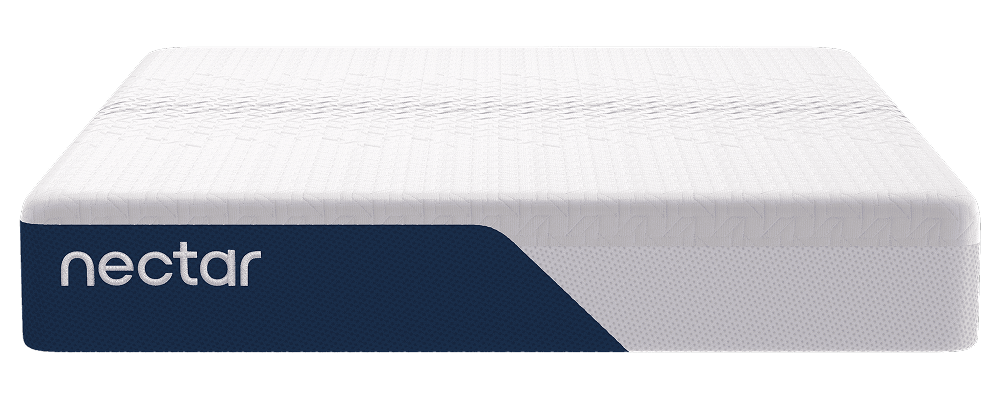
Resolution 8: Upgrade Your Mattress for Better Sleep
If you’ve improved your bedtime routine, reduced screen time, and still wake up feeling stiff or tired, your mattress could be the missing piece.
We often blame stress or lack of sleep hours, but an unsupportive mattress can quietly undermine your rest night after night — even if you’re doing everything else “right”.
You might want to consider upgrading your mattress if:
-
You wake up with back, neck, or shoulder discomfort
-
You toss and turn trying to find a comfortable position
-
You feel more tired in the morning than when you went to bed
-
Your mattress is over 7–8 years old
A supportive, pressure-relieving mattress helps keep your spine aligned, reduces movement disturbance, and allows your body to fully relax — which is essential for deep, restorative sleep.
Making this change at the start of the year isn’t indulgent. It’s a long-term investment in your energy, wellbeing, and everyday comfort.
Resolution 9: Track Progress — Not Perfection
Sleep resolutions aren’t about being flawless. They’re about progress.
Notice how you feel:
-
Are you falling asleep faster?
-
Waking up less during the night?
-
Feeling more alert during the day?
Even one or two improved habits can lead to better sleep within weeks.
A Simple Sleep Reset Checklist
If you want a gentle reset this January, start here:
-
Set a realistic bedtime
-
Create a short nightly wind-down routine
-
Make your bedroom darker and quieter
-
Limit screens before bed
-
Move a little more during the day
That’s it. No complicated rules, no pressure.
Final Thoughts: Make Sleep a Lifestyle, Not a Phase
The best New Year sleep resolutions aren’t dramatic — they’re sustainable. When sleep becomes part of how you care for yourself, everything else starts to feel more manageable.
This year, instead of pushing through exhaustion, choose rest. Your body — and your future self — will thank you.